

Why Road-Ready Maintenance Matters for Every Driver
Keeping your car road-ready is about more than avoiding inconvenient breakdowns. It is about protecting your safety, improving your vehicle’s performance, reducing long-term repair costs, and making sure your car is dependable every time you turn the key. Whether you drive daily for work, take frequent road trips, or only use your vehicle for errands around town, regular care helps prevent small issues from becoming expensive problems.
A road-ready car should start smoothly, stop safely, handle properly, shift without hesitation, and give you clear visibility in all driving conditions. It should also be protected from the wear caused by weather, road debris, potholes, heat, moisture, and everyday use. Many drivers wait until something goes wrong before scheduling service, but the better approach is to inspect and maintain your vehicle consistently.
The following guide breaks down the most important areas of vehicle care in a practical, easy-to-follow way. By understanding what to look for, when to take action, and how different parts of your car work together, you can build a maintenance routine that keeps your vehicle reliable throughout the year.
Start With a Monthly Vehicle Checkup
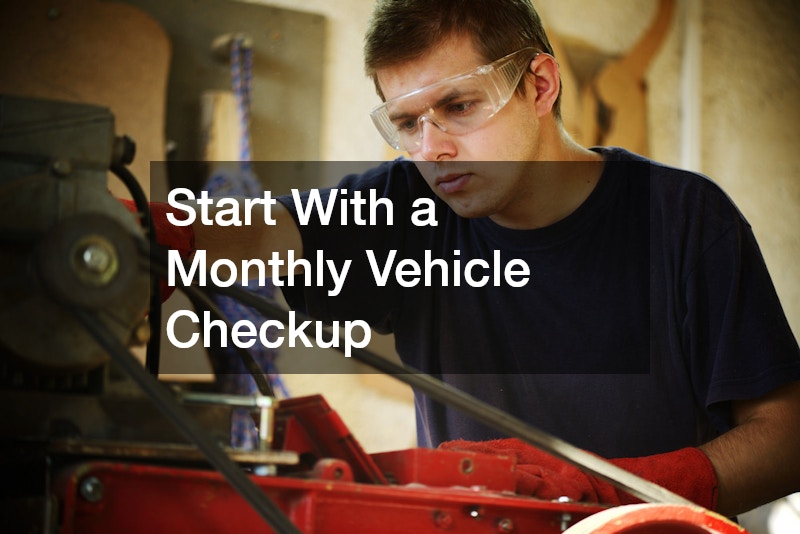
A simple monthly inspection is one of the easiest ways to stay ahead of car trouble. You do not need to be a mechanic to notice early warning signs. Start by walking around your vehicle and checking for obvious issues like fluid leaks, low tires, broken lights, body damage, or anything hanging loose underneath the car. Then check under the hood for low fluid levels, cracked belts, corrosion around the battery, or unusual smells.
Inside the vehicle, pay attention to dashboard warning lights, strange noises, rough idling, difficulty starting, or changes in steering and braking. Even small changes can point to a developing issue. For example, a faint squeal when stopping may become a serious brake problem if ignored, while a slight vibration at higher speeds may indicate tire, wheel, or alignment concerns.
It is also helpful to keep a basic checklist in your glove box or on your phone. Include engine oil, coolant, brake fluid, windshield washer fluid, tire pressure, lights, wipers, battery condition, and visible leaks. Checking these items regularly only takes a few minutes, but it can help you catch problems before they affect your safety.
If you are not sure whether something is normal, schedule an inspection with a trusted auto repair shop. A professional technician can identify hidden issues, explain what needs attention right away, and help you prioritize maintenance based on your vehicle’s mileage, age, and driving habits.
Keep Your Braking System Responsive
Your braking system is one of the most important safety features on your vehicle. If your brakes are not performing correctly, every drive becomes riskier. The most common warning signs include squeaking, squealing, grinding, shaking, longer stopping distances, or a brake pedal that feels soft, spongy, or unusually firm.
Brake pads wear down over time, and the rate of wear depends on your driving style, road conditions, and vehicle type. Stop-and-go city driving, steep hills, heavy traffic, and towing can all cause brakes to wear faster. That is why it is important to have them inspected regularly instead of waiting for a noise or warning light.
During a brake inspection, a technician can check the pads, rotors, calipers, brake lines, and fluid. Brake fluid is especially important because it helps transfer pressure from your foot on the pedal to the braking components at each wheel. Old or contaminated fluid can reduce braking performance and lead to internal corrosion.
When pads become too thin or rotors are damaged, car brake replacements may be necessary to restore safe stopping power. Delaying this service can cause additional damage and increase repair costs. More importantly, worn brakes can reduce your ability to stop quickly in an emergency. Staying proactive with brake care gives you better control, safer handling, and more confidence behind the wheel.
Protect Tire Health and Driving Stability
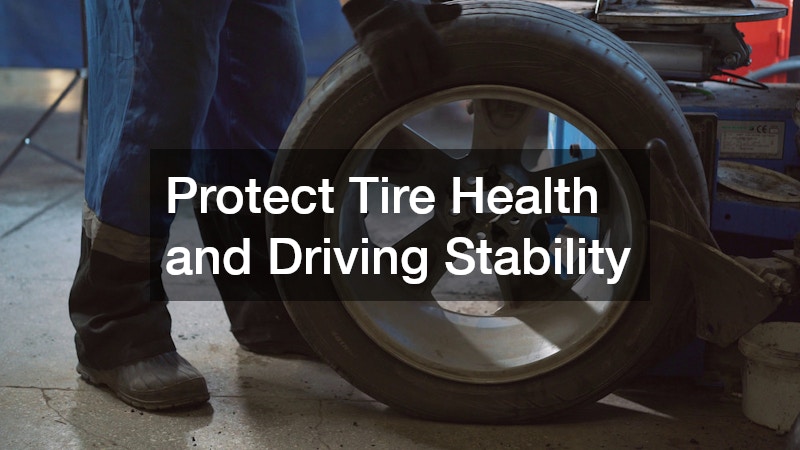
Tires affect nearly every part of the driving experience, including traction, steering, braking, fuel efficiency, and ride comfort. Even if the engine is running perfectly, worn or poorly maintained tires can make your vehicle unsafe. That is why tire care should be a regular part of your maintenance routine.
Start by checking tire pressure at least once a month and before long trips. Underinflated tires can increase rolling resistance, reduce fuel efficiency, and cause uneven wear. Overinflated tires can reduce traction and make the ride harsher. Always use the pressure listed in your owner’s manual or on the driver-side door sticker, not the number printed on the tire sidewall.
Tread depth is just as important. Tires with low tread have a harder time gripping the road, especially in rain or snow. You should also look for cracks, bulges, punctures, or uneven wear patterns. Uneven wear may mean your vehicle needs alignment, balancing, suspension work, or rotation.
Professional tire services can help extend tire life and improve overall performance. These services may include rotation, balancing, flat repair, pressure checks, alignment inspections, and replacement recommendations. When tires are properly maintained, your car handles better, stops more effectively, and stays more stable in changing weather and road conditions.
Address Wheel Damage Before It Affects Handling
Wheels take a lot of abuse from potholes, curbs, road debris, and rough pavement. Even a minor impact can bend, crack, scrape, or weaken a wheel. Sometimes the damage is obvious, such as curb rash or visible dents. Other times, the signs are more subtle, such as vibration, air loss, pulling, or uneven tire wear.
Damaged wheels can affect how your vehicle drives. A bent wheel may prevent the tire from sealing properly, causing slow leaks. It can also create vibration at certain speeds or place extra stress on suspension parts. If ignored, wheel damage can reduce comfort, compromise safety, and shorten the life of your tires.
Drivers should inspect their wheels regularly, especially after hitting a pothole or curb. Look for chips, bends, cracks, missing pieces, or areas where the wheel no longer looks round. If the vehicle starts shaking after an impact, avoid assuming the problem will go away on its own.
Depending on the type and severity of damage, rim and wheel repair may restore the wheel’s shape, appearance, and function. For more complex issues, a professional wheel repair service can determine whether the wheel can be safely repaired or needs to be replaced. Acting quickly helps prevent further damage to tires, suspension parts, and steering components.
Pay Attention to Shifting and Drivetrain Performance
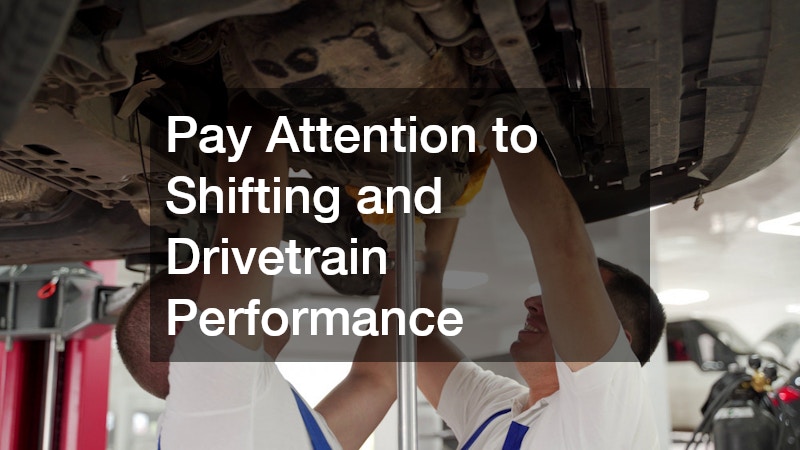
Your transmission plays a major role in how your vehicle delivers power from the engine to the wheels. When it is working correctly, shifting should feel smooth and predictable. When something is wrong, you may notice slipping gears, delayed engagement, rough shifts, whining noises, burning smells, fluid leaks, or hesitation when accelerating.
Transmission problems can become expensive if they are ignored. One of the best ways to protect the system is to follow the manufacturer’s recommended maintenance schedule. This may include checking fluid condition, replacing fluid at specific intervals, inspecting seals, and addressing leaks early.
Transmission fluid is especially important because it lubricates moving parts, helps control temperature, and supports hydraulic pressure inside the system. If the fluid becomes dirty, low, or burnt, shifting performance can suffer. In some vehicles, fluid problems can quickly lead to internal wear.
Not every shifting issue means the transmission has failed. Sometimes the cause may be low fluid, a faulty sensor, worn mounts, or software-related concerns. However, professional diagnosis is important because guessing can lead to unnecessary repairs. Addressing minor symptoms early can reduce the likelihood of major transmission repairs and help keep your vehicle dependable for daily driving, highway travel, and heavy-use conditions.
Fix Exterior Damage While It Is Still Minor
Exterior damage may seem cosmetic at first, but dents, scratches, and damaged paint can lead to bigger concerns if left untreated. Once paint is compromised, moisture can reach the metal underneath and eventually cause rust. Rust can spread over time, weakening panels and lowering the vehicle’s value.
Small dents and dings are common in parking lots, driveways, and tight spaces. Hail, shopping carts, door impacts, and falling branches can all leave visible marks. The sooner these issues are addressed, the better the chances of preserving the vehicle’s original finish and preventing additional deterioration.
For minor dents where the paint is still intact, pdr services may be a smart option. This method is designed to reshape the affected area without traditional sanding, body filler, or repainting. It can be especially useful for small dents, shallow dings, and certain types of hail damage.
More severe damage may require auto body repair, especially if the paint is cracked, panels are deeply creased, or structural areas are affected. A qualified technician can determine the best repair approach based on the location, depth, and severity of the damage. Taking care of exterior issues early helps maintain appearance, resale value, and long-term protection against corrosion.
Maintain Clear Visibility in Every Season
Clear visibility is essential for safe driving. Your windshield, windows, mirrors, lights, and wiper blades all help you see the road and allow others to see you. When any of these components are damaged or neglected, your reaction time and awareness can suffer.
Windshield chips and cracks should never be ignored. A small chip can spread because of vibration, temperature changes, moisture, or additional impact. Once a crack grows, it can interfere with your line of sight or weaken the windshield’s structural integrity. Since the windshield helps support the cabin in certain types of collisions, keeping it in good condition is a safety priority.
Wiper blades should also be checked regularly. If they leave streaks, skip across the glass, squeak, or fail to clear water effectively, replace them. Dirty glass, worn wipers, and low washer fluid can create dangerous visibility problems during rain, snow, or night driving.
When damage is too large or located in a critical viewing area, auto glass replacement may be the safest solution. Drivers should also clean interior glass regularly, since haze and residue can increase glare from headlights and sunlight. Good visibility reduces stress, improves safety, and helps you respond more quickly to road hazards.
Shield the Finish From Everyday Damage
Your vehicle’s exterior faces constant exposure to sunlight, rain, road salt, bird droppings, insects, tree sap, gravel, and chemicals. Over time, these elements can dull the finish, stain the paint, and create small chips or scratches. Protecting the exterior is not just about appearance; it also helps preserve the vehicle’s value.
Regular washing is the first step. Dirt and road grime can act like sandpaper if allowed to sit on the surface. Wash your vehicle with automotive-safe soap, rinse thoroughly, and dry with a clean microfiber towel to reduce water spots. Avoid harsh household cleaners because they can strip protective coatings and damage trim.
Waxing or sealing the paint adds a layer of protection, but some drivers want longer-lasting coverage for high-impact areas. Paint protection films can help protect vulnerable surfaces such as the hood, bumper, fenders, mirrors, and door edges. These areas are often exposed to rocks, bugs, and debris during highway driving.
To keep the finish in good condition, remove contaminants quickly. Bird droppings, sap, and bug residue can damage paint if left in place too long. Consistent exterior care keeps your car looking newer and helps prevent avoidable paint damage.
Drive With Confidence Year-Round

Keeping your car road-ready is a continuous process, but it does not have to be overwhelming. When you break maintenance into manageable steps, it becomes much easier to protect your vehicle and avoid preventable problems. A few minutes of inspection, a consistent service schedule, and quick action when warning signs appear can make a major difference in performance and reliability.
Your car depends on many systems working together. Tires, brakes, steering, glass, exterior protection, fluids, and mechanical components all play a role in safe and dependable driving. Ignoring one area can affect others, which is why a complete maintenance approach is so valuable.
By staying proactive, you can reduce unexpected breakdowns, improve safety, extend the life of your vehicle, and enjoy greater peace of mind every time you drive. A well-maintained car is not only more reliable; it is also more comfortable, efficient, and ready for whatever the road brings.


