
- Small chips and short cracks can sometimes be repaired at home, but larger or deeper cracks require a professional fix.
- DIY windshield repair kits are affordable and convenient, but may leave distortions or fail if not applied correctly.
- Professional technicians use higher-quality tools and resins, offering clearer and more durable results.
- Cracks in the driver’s line of sight, edge cracks, or long cracks should never be repaired at home.
- A poorly done DIY repair can worsen the damage, leading to more expensive windshield replacement.
- Proper windshield care after repair helps maintain clarity and prevent future cracks.
Windshield cracks happen more often than most drivers expect, and the moment you spot one, the big question follows: Can you fix it on your own, or should you call a professional? Today’s vehicle owners have more options than ever, with DIY kits readily available online and auto glass shops offering fast repairs in under an hour. But choosing the right approach depends on several factors, including the size, type, and location of the damage, as well as your comfort level with repair tools.
In this guide, you’ll learn when a DIY windshield repair makes sense, when a professional fix is safer, and the risks of trying to handle the problem yourself.
Understanding Windshield Cracks: What Can Really Be Repaired?

Before deciding between a DIY kit and a professional technician, it helps to understand what kinds of cracks can actually be repaired. Not all windshield damage is the same, and some cracks are simply too severe or placed in dangerous spots to fix on your own. Windshields are engineered to withstand impact, so even minor damage can compromise structural integrity if left untreated. Learning the basics helps you avoid wasted effort and ensures your vehicle remains safe to drive while you explore repair options.
Common Types of Windshield Damage
These are the most common types of cracks and chips car owners encounter:
- Bullseye chips
- Half-moon chips
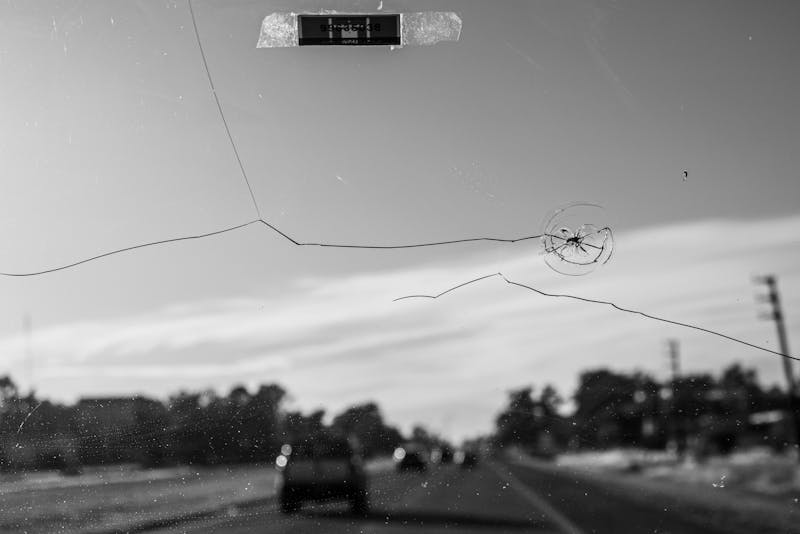
- Star breaks
- Combination breaks
- Small surface cracks
- Rock chips
Types of Damage That Can Be Repaired
Small cracks and chips less than 1 inch wide or cracks under 3 inches long are typically repairable. Rock chips that have not spread are also good candidates for repair.
Types of Damage That Cannot Be Repaired
Severe cracks, edge cracks, cracks blocking the driver’s line of sight, and long cracks (over 6 inches) often require full replacement rather than repair.
Can a Windshield Crack Be Repaired at Home? Factors to Consider
Many drivers wonder whether they can repair a crack at home with basic tools or a resin kit bought online. While DIY kits are affordable and widely accessible, they are not always the safest or most reliable option. Before attempting a home fix, drivers should evaluate the type of damage, their skill level, and the potential risks involved. Windshield glass plays a major role in vehicle safety, so a poorly repaired crack may lead to bigger problems later on. Understanding these factors helps you make the smartest choice for your vehicle.
Consider the Size of the Crack
DIY kits are most effective on small chips or short cracks. A crack longer than 3 inches may spread even after applying resin.
Consider the Location of the Crack
If the damage is directly in front of the driver, a DIY repair may leave distortions that affect visibility.
Consider Your Experience Level
DIY kits require careful handling, proper curing time, and knowledge of glass repair. If not done correctly, the crack may worsen.
Consider the Age of the Crack
Older cracks accumulate dirt and moisture, making them harder to repair at home.
Pros and Cons of DIY Windshield Repair Kits
If you’re considering a DIY method, it’s important to understand what you’re getting into. DIY windshield repair kits can be convenient, especially for minor cracks that haven’t spread. However, they come with limitations that can affect the safety and appearance of your windshield. This section compares the advantages and disadvantages of doing the repair yourself, helping drivers decide whether the low cost is worth the potential risks.
Advantages of DIY Repair Kits
- Low cost compared to professional services
- Convenient for minor cracks and chips
- Available online and in auto supply stores
- Quick to use with basic instructions
Disadvantages of DIY Repair Kits
- Limited to small cracks only
- Risk of improper resin application
- Can leave visible marks or distortions
- No warranty or guarantee
- Mistakes may require costly replacement later
When a DIY Kit Might Work
A DIY repair kit might work if the damage is small, round, and not spreading. It’s also ideal if you need a temporary fix before visiting a professional.
How DIY Windshield Repair Works: Step-by-Step Method
Understanding how DIY repair kits work helps car owners determine whether they feel comfortable performing the process. Most repair kits follow a similar method involving resin injection, curing, and polishing. While the steps seem straightforward, the success of the repair heavily depends on precision and timing. Even a minor mistake, such as failing to remove moisture, can lead to reduced clarity or spreading cracks. Here is a clear overview of how DIY windshield repair typically works.
Step 1: Clean the Damaged Surface
Use a glass cleaner or dry cloth to remove debris. Avoid using water, as moisture can weaken the repair.
Step 2: Position the Adhesive Mount
DIY kits usually come with a small suction tool that stabilizes the repair device over the crack.
Step 3: Inject the Resin
The included syringe or applicator pushes resin into the crack, filling gaps in the glass.
Step 4: Cure the Resin
Sunlight or UV light is required to harden the resin, which bonds the glass together.
Step 5: Remove Excess Resin and Polish
After curing, the extra resin is scraped off, and the area is polished to improve clarity.
The Risks of DIY Windshield Crack Repair: What Car Owners Should Know
Trying to repair a windshield at home comes with potential risks, especially if the crack is larger than expected or the procedure is not executed correctly. While the affordable cost of DIY kits makes them tempting, a poor repair job can cost far more in the long run if it leads to full windshield replacement. Car owners should understand the risks before attempting the repair so they can avoid costly mistakes and ensure their safety on the road.
Risk of Cracks Spreading
Incorrect resin injection or pressure can cause the crack to expand, sometimes immediately.
Risk of Reduced Visibility
A DIY repair may leave distortions or cloudy spots that interfere with night driving.
Risk of Weak Structural Support
Windshields strengthen the vehicle’s frame. A poor repair may weaken this support during a collision.
Risk of Voiding Insurance Benefits
Some insurance companies only cover repairs done by certified professionals.
Professional Windshield Crack Repair: Why Many Car Owners Prefer It
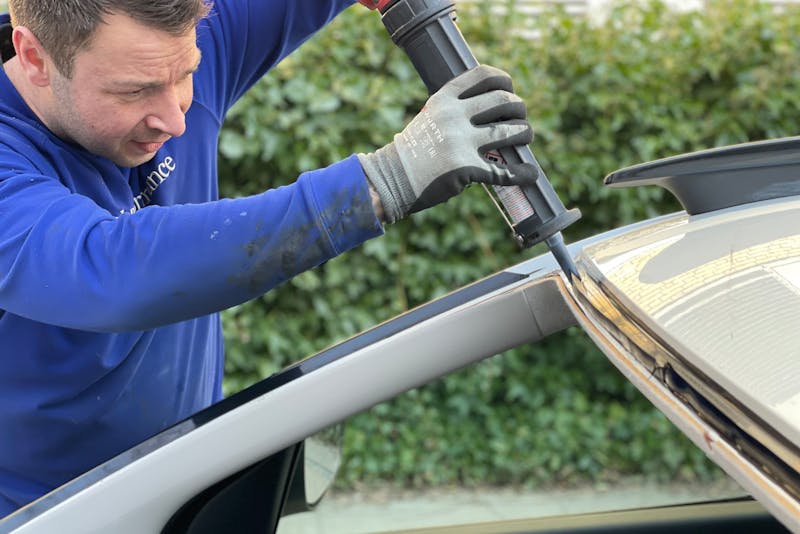
Professional windshield repair services provide a level of precision and expertise that DIY kits cannot match. For car owners who want guaranteed results, professionals use specialized tools and high-quality resin to restore the windshield’s integrity. Certified technicians can assess the full extent of the damage, ensuring that the repair is not only visually clear but also structurally sound. This section explains why many drivers ultimately prefer a professional fix over attempting the repair themselves.
Advanced Tools and Materials
Professionals use industrial-grade resins and pressure tools that penetrate deeper into cracks.
Guaranteed Smooth and Clear Finish
A professional repair preserves visibility and minimizes distortion.
Expert Evaluation
Technicians can determine whether the damage is repairable or if replacement is necessary.
Warranty and Service Guarantee
Many shops offer warranties, providing peace of mind in case the crack returns.
DIY vs. Professional Fix: Which Option Is Best for Car Owners?
Deciding between a DIY kit and a professional fix ultimately depends on the severity of the crack and your priorities as a vehicle owner. Some drivers value low cost and speed, while others prefer long-term reliability and safety. Both methods can be effective under the right circumstances, but understanding their differences helps car owners make a smart decision. This comparison breaks down the key factors that matter most when choosing between the two.
Cost Comparison
- DIY kits cost between 500 to 1,000 pesos
- Professional repair typically ranges from 1,500 to 3,500 pesos
- Full windshield replacement may cost significantly more
Convenience Comparison
- DIY kits allow at-home repair
- Professionals offer mobile service or in-shop appointments
- Professional repairs take 15 to 30 minutes
Quality Comparison
- DIY repairs may leave minor visible marks
- Professional repairs are nearly invisible
- Professionals ensure structural strength
When You Should Skip DIY and Seek a Professional Immediately
Some cracks require immediate professional attention, no matter how confident you are with DIY repairs. These cracks pose safety risks, can spread quickly, or cannot be fully repaired with at-home kits. Identifying these situations early prevents more serious problems and could save you from needing a full windshield replacement. This section explains the scenarios where a certified technician is always the better choice.
Cracks Blocking the Driver’s View
Repairs in the direct line of sight may distort vision and compromise safety.
Edge Cracks
Damage near the windshield frame often spreads rapidly and is difficult to stabilize.
Deep or Long Cracks
Cracks longer than 6 inches typically require full replacement.
Multiple Chips or Spiderweb Cracks
Extensive damage weakens the windshield’s overall strength.
Maintaining Your Windshield After a Repair
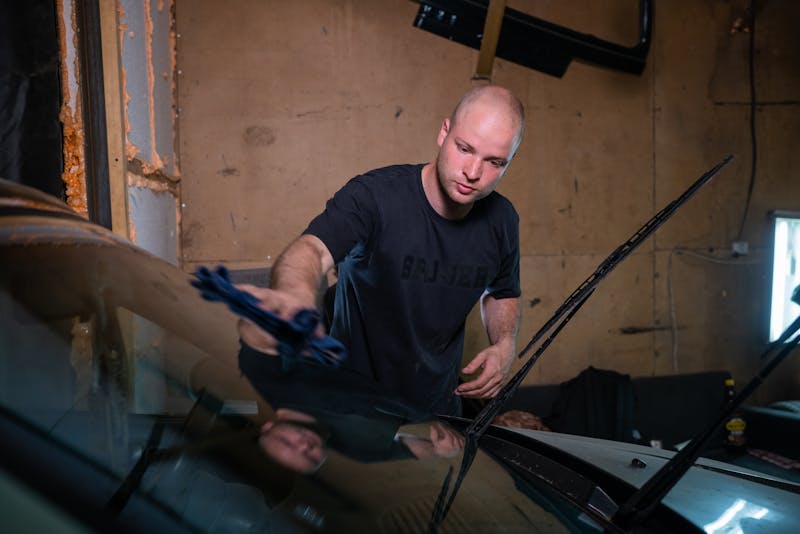
Once your windshield has been repaired, maintaining it properly ensures the fix lasts and prevents additional damage. Both DIY and professional repairs benefit from careful post-repair care. Simple steps such as avoiding extreme temperatures and parking in shaded areas can help protect the glass. This section provides easy maintenance tips for car owners who want to prolong their windshield’s lifespan and avoid future cracks.
Avoid Extreme Heat or Cold
Sudden temperature changes can stress the glass and weaken the repair.
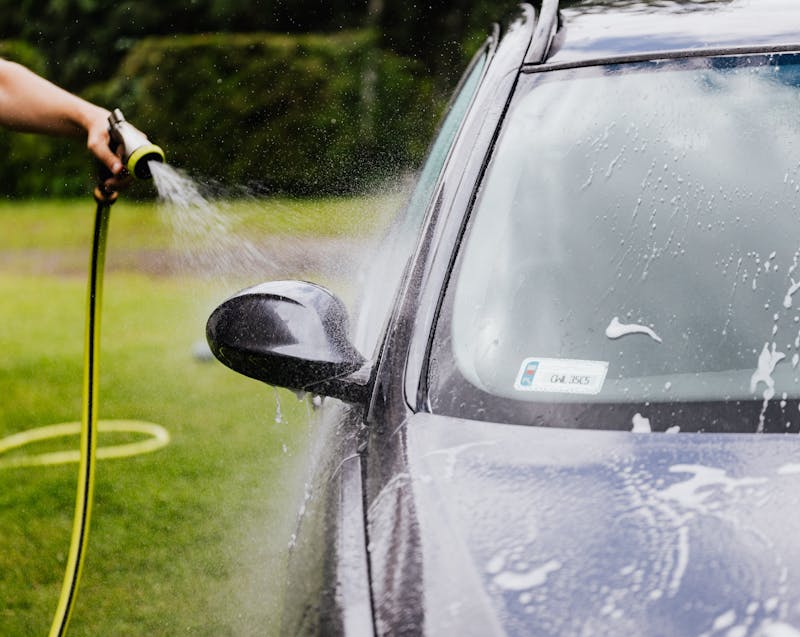
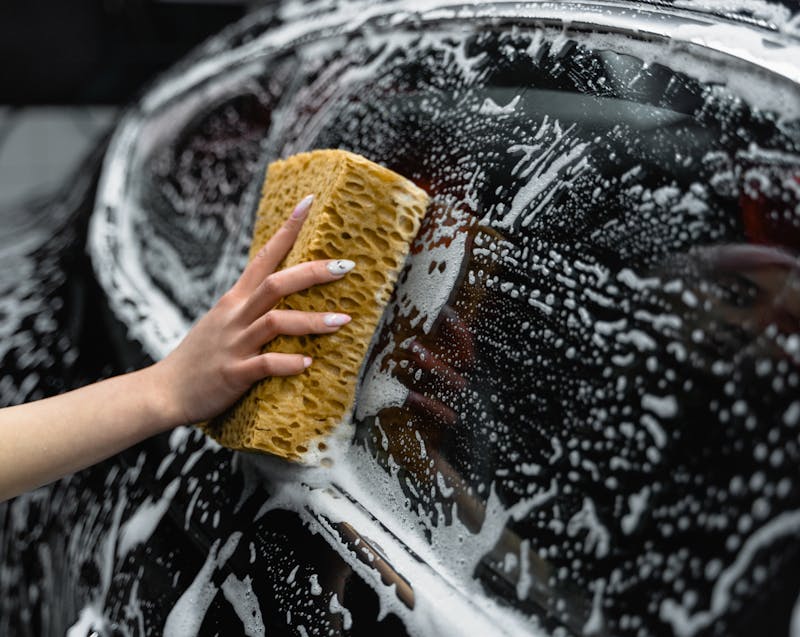
Do Not Wash the Car Immediately
Avoid car washes for at least 24 hours after a repair.
Keep a Safe Distance on the Road
Maintaining a distance from trucks and construction vehicles reduces the risk of rock chips.
Inspect the Windshield Regularly
Checking for early signs of damage allows quicker and easier repairs.
Final Thoughts: Is a DIY Windshield Crack Repair Worth It?
DIY windshield repair can be useful for minor damage, especially for car owners who want a quick and temporary solution. However, it comes with risks that may affect the clarity and strength of the glass. Professional repair offers better long-term results, greater clarity, and improved safety.
Understanding the difference between the two helps you make the best decision for your car and ensures your windshield remains durable and safe for everyday driving. For most drivers, the peace of mind that comes with professional repair outweighs the savings of a DIY kit.