
- Comprehensive insurance is the primary coverage that handles windshield cracks and glass damage.
- Many insurers prefer repairs over replacements, and some offer zero-deductible glass repair.
- Not all cracks are covered; damage caused by neglect or improper installation is often denied.
- Filing a claim for windshield repair usually does not raise insurance premiums.
- Repairing small cracks early prevents spreading and helps avoid more expensive replacements.
- Always check your deductible and policy terms before filing a claim.
A small crack in your windshield might look harmless, but it can quickly lead to safety issues and added costs if ignored. Many drivers are unsure whether their insurance policy will handle the damage or if they’ll need to pay out of pocket. Knowing what your coverage includes can save you from unnecessary worry, unexpected expenses, and delays in getting the glass repaired.
This guide explains everything you need to know so you can make the right decision when a windshield crack appears.
Understanding Windshield Coverage: What Does Insurance Actually Pay For?

Insurance coverage for windshield cracks varies depending on your policy type, deductible, and the cause of the damage. For many car owners, comprehensive insurance is the main coverage that handles windshield repairs or replacement. Without it, most damage to your glass will not qualify for reimbursement. This section explains how coverage works so you can easily determine your next steps.
Most insurers classify windshield damage under non-collision coverage. Common causes include flying debris, road gravel, temperature changes, or falling branches. However, every policy has its own rules, and understanding those rules will help you know whether a simple repair or a full replacement is covered. Before filing a claim, it’s important to check your deductible and the specific terms outlined in your auto insurance plan.
Types of Insurance That Cover Windshield Damage
- Comprehensive insurance
- Full glass coverage
- Zero-deductible glass add-ons
- State-mandated glass coverage (in certain areas)
Causes Typically Covered
- Rocks and road debris
- Storm-related damage
- Vandalism
- Falling objects
Causes Not Usually Covered
- Damage from previous cracks you ignored
- Poor installation
- Wear and tear or aging
Does Insurance Cover a Windshield Crack? Understanding the Basics
This section explores the central question: which types of cracks are typically covered, and when does insurance step in? A windshield crack can appear suddenly and is often unavoidable, especially when driving on busy roads. Insurance companies recognize this and, in many cases, provide coverage to keep drivers safe and compliant with road safety laws. The question, “Can a windshield crack be repaired?” also ties into this topic because insurance often approves repair when the crack is small enough.
Not all cracks are treated equally. Some cracks qualify for quick repairs, while larger ones may require full replacement. Insurance companies generally prefer repairs because they cost less and help maintain the structural integrity of the windshield. Understanding the difference between repairable and non-repairable cracks helps you decide whether to file a claim or pay out of pocket.
Cracks Typically Covered
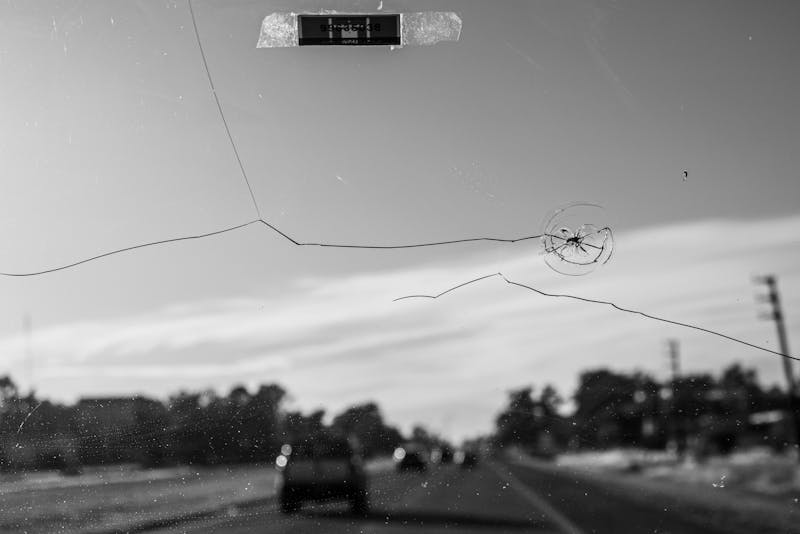
- Star-shaped cracks
- Bull’s-eye cracks
- Small chips under a certain size
- Line cracks that haven’t spread far
Cracks Sometimes Denied
- Cracks caused by neglect
- Cracks that impair driver visibility due to size
- Damage from owner-installed accessories
Should You File a Claim for a Windshield Crack?
Many car owners hesitate to file a claim, unsure whether it will raise their premiums or if the repair cost is worth the paperwork. In most cases, filing a claim for windshield repair does not increase your insurance rate, especially when covered under comprehensive insurance. This section covers the pros and cons of filing a claim so you can make a confident decision without second-guessing.
Insurance companies prefer repairs over replacements, so they often waive the deductible when the crack is fixable. However, if the damage is severe or results from an at-fault collision, you may need to pay your deductible before coverage applies. Consider the size, location, and cost of repair before choosing whether to file a claim or handle the expenses yourself.
When Filing a Claim Makes Sense
- Repair cost is higher than your deductible
- Your insurer offers free or zero-deductible glass repair
- The crack is spreading and needs urgent attention
When Paying Out-of-Pocket Is Better
- Repair costs less than your deductible
- Your policy does not include glass coverage
- You want to avoid claim processing time
How to Check If Your Windshield Crack Is Covered

Before calling your insurer, it helps to gather the right details so you can confirm whether your damage qualifies for coverage. Many car owners skip this step and end up confused by insurance terms. Knowing what to ask simplifies the process and prevents misunderstandings.
Most insurance companies require information such as the size of the crack, its location on the windshield, and how the damage occurred. The more specific you are, the easier it will be to determine approval. You should also review your policy documents, which outline your deductible, coverage limits, and glass protection options.
Steps to Verify Coverage
- Review your insurance policy.
- Check your deductible for comprehensive coverage.
- Call your insurer’s claims department.
- Provide photos of the damage.
- Ask whether repair or replacement is recommended.
Final Thoughts: Protecting Your Windshield and Your Wallet
A cracked windshield should never be ignored, as small damage can quickly become dangerous. With the right insurance coverage, repairs are often quick, affordable, and sometimes free. The key is knowing what your policy includes and acting fast before the crack spreads. Car owners who understand their coverage save both time and money while keeping their vehicles safe on the road.